
Choosing Meath Gate Fitters for a Lasting Gate
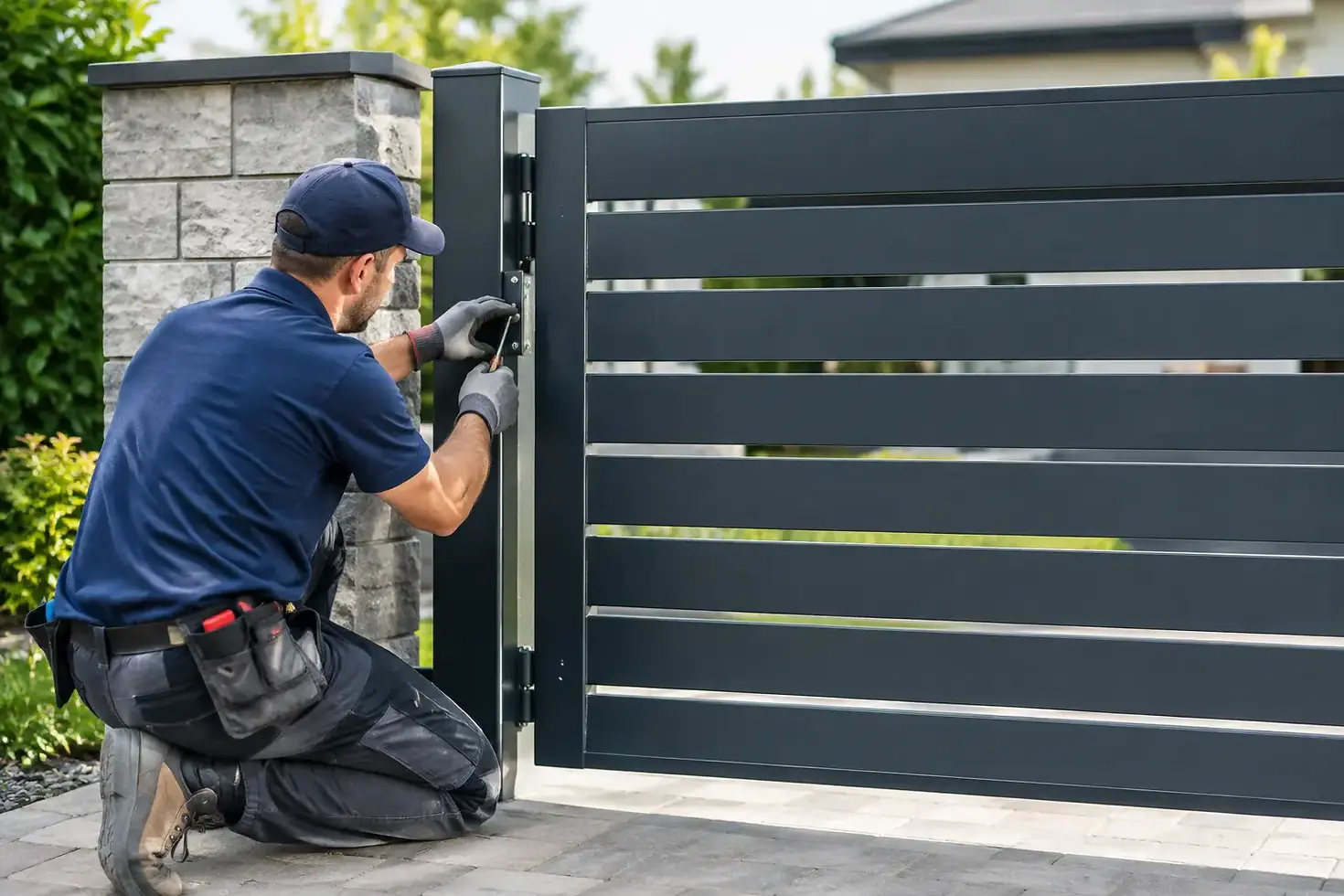
A side gate can look like a small part of the property until it starts dragging across the paving, rattling in the wind or refusing to close. Good Meath gate fitters do more than hang a timber panel between two posts. They measure the opening properly, allow for movement in the timber and ground, and fit the gate so it closes securely every day.
For homeowners, the job should be straightforward. You need a gate that keeps the side entrance private and secure, looks right alongside the house and garden, and does not create another maintenance problem a few months later. The quality of the fitting matters just as much as the gate itself.
Why the fitting matters as much as the gate
A made-to-measure gate is only as good as the frame and hardware holding it in place. If an old frame is rotten, loose or out of square, attaching a new gate to it may save money in the short term but often leads to poor alignment and early wear. The gate may catch on the ground, put pressure on the hinges or leave a gap that affects privacy and security.
A proper installation begins with the opening, not a standard gate size. Older properties can have walls that are not level, uneven paths, awkward downpipes or a narrow passage that makes access difficult. These details are normal on domestic jobs, but they need to be allowed for before the gate is made.
The aim is a clean, practical result: a gate with sensible clearance beneath it, a frame fixed securely to suitable surfaces, and enough room for the gate to swing and latch without scraping. It is not about making a gate fit by force. It is about making it to fit the space.
What Meath gate fitters should check first
Before agreeing a design or price, a fitter should look beyond the width and height of the opening. The condition of the existing posts or frame, the direction the gate needs to open, the slope of the ground and access for installation all affect the right approach.
The ground and the opening
A level-looking path is not always level. Even a slight fall can make a full-height gate catch at one corner when it opens. In some cases, a shaped bottom edge or additional clearance is needed. Too much clearance, however, can leave the gate looking unfinished or create an unnecessary gap underneath.
The opening itself also needs checking at more than one point. Brickwork and rendered walls are rarely perfectly square, especially on older houses. Accurate measurements allow the gate and frame to be made with the right tolerances rather than relying on packing pieces and last-minute alterations on site.
The frame, hinges and closing point
The frame carries the load. A good timber gate can still sag if its frame is weak or its hinges are not set correctly. Pressure-treated timber framing, solid support braces and galvanised hinges are practical details that make a real difference in Irish weather.
Galvanised fittings help resist corrosion, while a correctly positioned pad bolt gives a simple, dependable closing point. Where needed, doorstops prevent the gate from swinging too far and reduce strain on the hinges. These are not extras for appearance. They are part of a gate that works properly.
Timber gates built for weather and daily use
Side gates live outdoors all year. Rain, wind, damp ground and repeated use will soon show up weak materials or rushed work. Pressure-treated Scots pine is a sensible choice for a domestic side gate because the treatment helps protect the timber against decay and insect attack.
That does not mean timber needs no care. All timber moves slightly as moisture and temperature change. A well-made gate allows for this movement through sensible spacing, bracing and fitting clearances. The timber should also be kept clear of standing water and soil where possible, as constant contact with wet ground shortens its life.
Construction matters too. A gate needs reinforcement that supports its weight in the right direction, rather than braces fitted simply because they look familiar. Boards should be securely fixed, edges finished cleanly, and the whole gate checked before it leaves the workshop. We do not cut corners, we sand them.
For a side entrance, the best design is often the one that suits the property rather than the one that looks most elaborate in a photograph. A simple vertical-board gate can offer privacy and a tidy finish. A framed and braced design gives traditional strength and character. The right choice depends on the opening, the level of privacy required and the look of the existing fencing, shed or garden.
Replace the full frame or keep the old one?
This is one of the most useful questions to ask before ordering a new gate. If the existing frame is solid, square and securely fixed, it may be suitable to retain. That can reduce the amount of work involved and keep the project cost lower.
If it has rot, movement, loose fixings or visible distortion, replacement is normally the better option. Fitting a new gate to a failing frame can lead to an uneven gap, sticking or a gate that drops soon after installation. It is better to deal with the cause than keep adjusting the symptom.
The same applies to old hinges and bolts. Reusing serviceable hardware can be practical, but old fittings often have wear or rust that is not obvious until the gate is in use. New galvanised hinges and a new pad bolt are usually a worthwhile part of a replacement job.
A straightforward process from quote to fitting
Homeowners should not have to become gate specialists to get a clear answer. A photograph of the current gate or opening is often enough to start a conversation and provide an initial quote. Clear photos from inside and outside the garden, including the ground and fixing points, help identify anything that may affect the installation.
After that, the fitter can confirm measurements, discuss the preferred style and height, and establish whether the old gate and frame need to be removed. A complete supply-and-fit service should explain what is included: the made-to-order gate, timber frame where required, braces, hinges, closing hardware and fitting.
Removal of the old gate is worth discussing at the start. It keeps the work area clear and avoids leaving a damaged frame or heavy timber for the homeowner to dispose of. A tidy finish matters too. Once the gate is fitted, it should be checked for opening, closing and latching before the job is signed off, with the work area left clean.
The Side Gate Man provides this type of made-to-order service for homeowners in Dublin and nearby parts of Meath, with fitting arranged around the actual opening rather than a one-size gate from a shelf.
How to judge a gate quote fairly
The lowest figure is not always the lowest cost over time. A quote that only covers a basic gate panel may not include the frame, hinges, bolt, removal work or installation. Comparing like for like is the sensible way to judge the price.
Ask whether the timber is pressure treated, whether galvanised fittings are included and whether the gate will be made to the final measured size. It is also reasonable to ask what happens if the old frame is found to be unsuitable once work begins. A dependable tradesperson will explain the likely options plainly rather than burying the detail.
Painting is another point to clarify. Pressure-treated timber can be left to weather naturally, or painted once it is ready for the chosen finish. Some homeowners prefer the silver-grey look timber develops over time; others want a colour that matches fencing, render or shed doors. Neither is wrong, but preparation and ongoing upkeep should suit the finish you choose.
Looking after a new timber side gate
A new gate needs very little day-to-day attention, but a quick check each season is worthwhile. Clear leaves and soil away from the bottom edge, make sure the bolt still lines up easily, and look over the hinges for any signs of movement. If the gate begins to rub or catch, dealing with it early is far easier than waiting for damage to develop.
Painted gates should be inspected for worn areas and touched up before bare timber is left exposed for long periods. Gates left unpainted still benefit from being kept clean and away from constant splashback or wet planting beds.
The best gate is not the one with the most features. It is the one that suits the opening, is made from decent materials and is fitted with care. When those basics are right, a side entrance becomes one less thing to think about each time you step into the garden.


Comments