
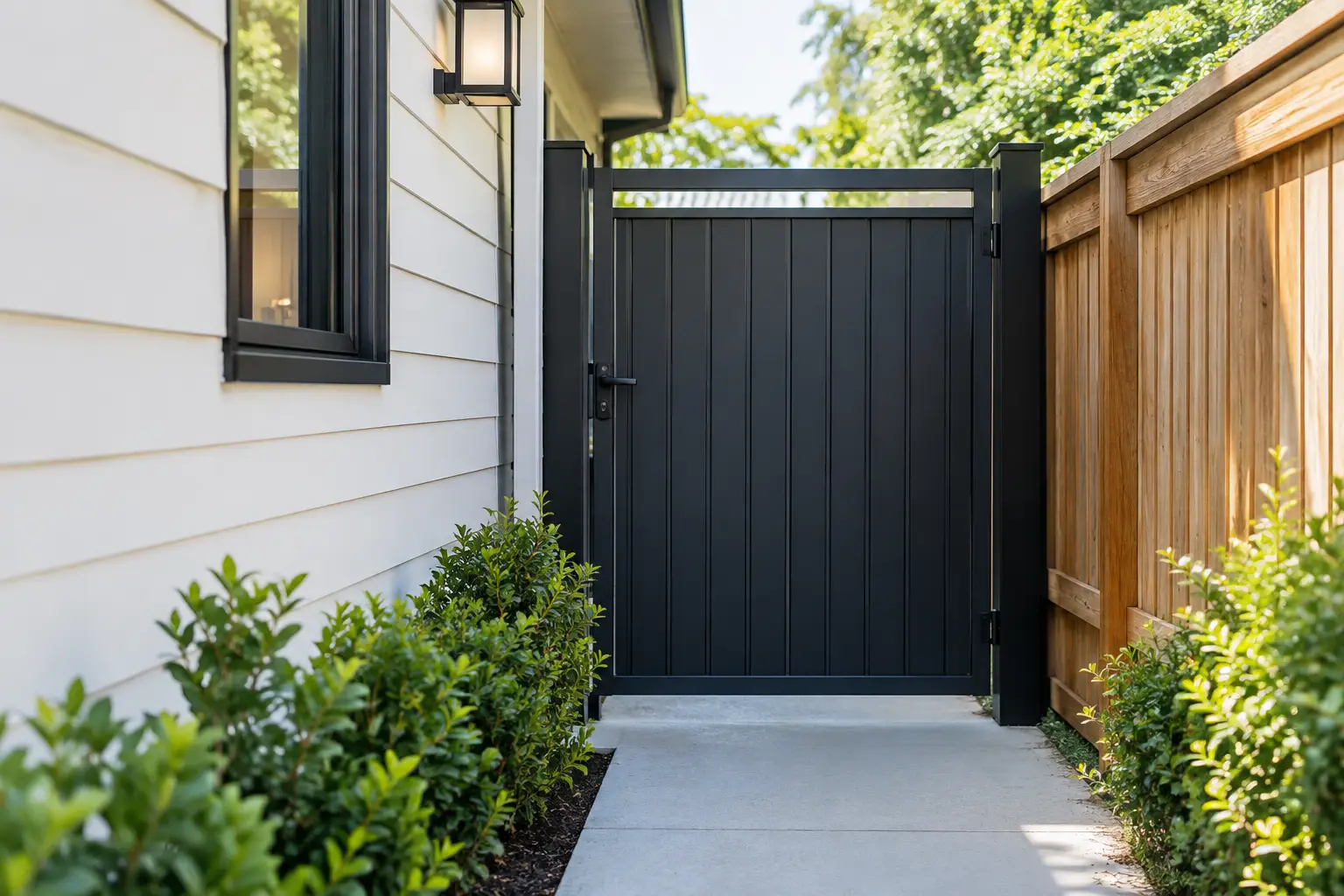
Home Security Starts With a Strong Side Gate
A side entrance is often the least noticed part of a property until the gate sticks, the bolt no longer lines up, or a damaged panel makes access far too easy. Good home security does not always begin with an alarm or a camera. It often starts with a solid boundary, a gate that closes properly, and a shed door that cannot be forced open with a push.
For many Dublin homes, the side passage is the route to the back garden, bins, bikes, tools and outdoor equipment. If it is open, poorly enclosed or protected by a tired gate, it can invite unwanted access while making everyday use of the garden frustrating. A properly fitted timber side gate brings back control of that space without turning your home into a fortress.
Why side gates matter for home security
A side gate is a physical first line of defence. It does not make a property impossible to enter, and no honest tradesperson should claim otherwise. What it does do is make access less convenient, less visible and more difficult. That matters.
An unsecured side entrance can give someone a hidden route to the rear of a house, away from the street and neighbours passing by. It may also expose a shed, garden furniture, tools, bicycles or a back door. A well-built gate creates a clear boundary and encourages visitors to use the proper entrance.
The condition of the gate matters as much as whether one is there at all. Rotten timber, loose hinges, split rails and a bolt that barely catches are signs that the gate is no longer doing its job. A gate should close squarely into a firm frame, with enough strength in the structure to cope with regular use and Irish weather.
What a secure side gate should include
The best choice depends on the width of the opening, the privacy needed and how exposed the location is. However, a secure gate is usually built around sound materials, decent hardware and correct fitting rather than one single feature.
Pressure-treated timber built for the weather
Outdoor timber is dealing with rain, moisture, wind and changes in temperature throughout the year. Pressure-treated Scots pine is a practical choice because the treatment helps protect the timber against decay and insect attack. It is not a substitute for sensible care, but it gives the gate a much stronger starting point than untreated softwood.
A made-to-measure gate also avoids the weak points that come with trying to force a standard-size gate into an awkward opening. Gaps at the side, a frame packed out with scraps of timber, or a gate cut down too far can all affect strength and appearance.
A proper frame and bracing
The gate leaf is only one part of the job. The surrounding frame needs to be secure, level and fixed properly to the existing structure. If the frame moves, the gate will eventually drop, catch on the ground or pull away from its fixings.
Support braces are equally important. Timber gates naturally carry weight, particularly on wider openings. Bracing helps prevent sagging and keeps the gate operating as it should. A gate that drags on paving is not just annoying - it puts strain on hinges and makes people less likely to close it fully.
Galvanised hinges and a dependable bolt
Hardware is often where a cheap installation shows itself first. Galvanised hinges are well suited to outdoor use because they are designed to resist corrosion. They should be sized for the weight of the gate and fitted so the gate swings freely without excessive movement.
For most side entrances, a solid pad bolt gives straightforward day-to-day security. It should line up cleanly with its receiver and be placed where it can be operated easily from inside the garden. Where a padlock is used, choose one intended for exterior use and keep it clear of ground level, where dirt and standing water can cause trouble.
If access is needed from both sides, discuss this before the gate is made. The right latch or locking arrangement depends on how the passage is used, whether there is a shared access concern, and who needs regular entry.
Match the gate to the real risk
Home security works best when it suits the property rather than following a one-size-fits-all checklist. A narrow side lane behind a terraced house has different needs from a wide detached-home entrance used for wheelie bins, lawn equipment and family bikes.
Privacy is one consideration. A close-boarded or solid timber design can prevent a clear view into the garden and make the side route feel more enclosed. On the other hand, some homeowners prefer a little visibility through a more open design, especially where the gate faces a shared lane or a neighbour’s property. There is a balance between privacy, light and appearance.
Height is another. A higher gate can provide more privacy and make climbing less attractive, but it must still suit the boundary, the property’s appearance and any local restrictions that apply. If you are replacing an existing gate, it is worth checking whether the old height and layout are practical or simply what happened to be there before.
Think too about what is behind the gate. A shed full of tools, an unlocked bike store or a visible back door may justify extra care with the gate and the wider garden layout. Keeping valuable items out of sight, fitting a good shed door and using suitable locks all support the work the side gate is doing.
Do not overlook the shed door
A sturdy side gate prevents easy entry to the garden, but a weak shed door can still leave tools and equipment vulnerable. Many older sheds have thin doors that warp in wet weather, loose hasps or frames that have started to rot at the bottom.
A replacement shed door should be made to fit the opening, framed correctly and hung on durable hinges. Reinforcement, a secure closing edge and a sound bolt make a noticeable difference. As with a side gate, the door is only as reliable as the frame holding it, so damaged timber around the opening should not be ignored.
There is also a practical benefit. A shed door that opens and closes properly is more likely to be locked every time. Security measures only help when they are easy enough to use as part of normal routine.
Signs it is time to replace your gate
Small repairs can be worthwhile where the timber and frame are otherwise sound. Tightening a hinge, replacing a bolt or treating a superficial mark can extend a gate’s life. But repeated repairs to a failing structure usually cost more time and money than fitting a gate built properly for the opening.
Replacement is often the sensible route when the gate has dropped badly, the bottom rail is soft, boards are splitting, hinges are pulling out, or the frame is loose in the wall or fence. The same applies if the current gate leaves large gaps, does not shut cleanly or needs lifting every time it is used.
A professional installation should include measuring the opening, allowing for ground clearance and swing direction, fitting the frame square, and checking the gate closes correctly before the job is finished. Removing an old gate and frame can also save the homeowner from having to deal with awkward timber waste afterwards.
Simple habits that help your gate last
Even pressure-treated timber benefits from attention. Keep leaves, soil and plant growth away from the bottom of the gate so moisture is not held against the wood. Check once or twice a year that the hinges are tight, the bolt still lines up and the gate is not catching on the ground.
If you paint the gate, use a suitable exterior product and follow the preparation and drying guidance. Paint can improve the finish and add another layer of weather protection, but it should not be used to hide timber that is already rotten or structurally unsound.
Also take a moment after storms or long wet spells to inspect the frame and posts. Catching a small movement early can prevent a simple adjustment becoming a larger repair.
For homeowners who want a complete fitted solution, The Side Gate Man makes made-to-order pressure-treated timber side gates and shed doors, with framing, bracing, galvanised hinges and pad bolts fitted to suit the opening. A clear photo of the existing entrance is often enough to start a straightforward quote.
A good gate should feel ordinary in the best way: it shuts cleanly, locks without a struggle and quietly keeps the back of your home where it belongs - private, protected and easy to use.


Comments